15 Simple Things That Make Highly Sensitive People Happy
What makes a highly sensitive person happy? The answers may be a little “different,” but they’re so worth it.


What makes a highly sensitive person happy? The answers may be a little “different,” but they’re so worth it.

Highly sensitive people may feel like they’re on an emotional seesaw: overstimulated, understimulated, repeat. Here’s how to restore — and keep — a sense of balance.

Whatever social media platform you’re on, there’s a lot going on. This can be overstimulating for anyone, but it’s especially intense for HSPs.

Does understanding your attachment style give you a “master key” for the relationships in your life?

Signs of a healthy but highly sensitive child — such as overstimulation — can be mistaken for other traits, like ADHD or autism.
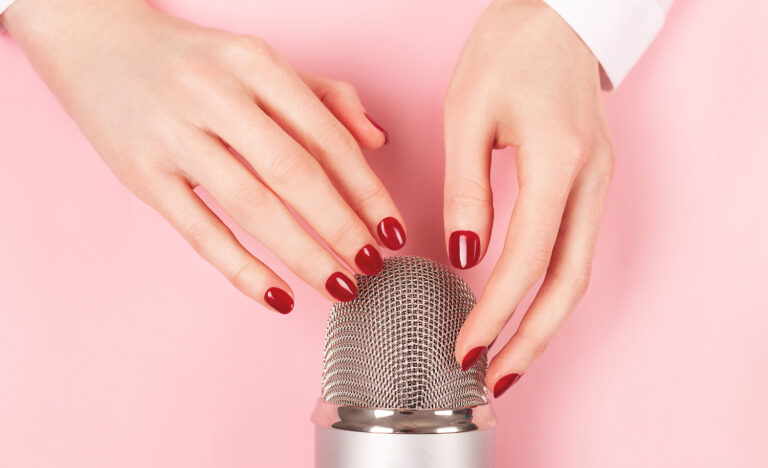
HSPs’ heightened senses enable them to better pick up on subtleties from ASMR, like the soothing sound of someone whispering.

Nearly 1 in 3 people are sensitive, but most don’t describe themselves that way — and many don’t fit the stereotype. Could someone in your life be an HSP and not even know it?

1 in 3 boys are highly sensitive, but they may not need the same message as sensitive girls. What should you do instead?

For highly sensitive people, turning your home into a sanctuary is an art — and one of the most calming things you can do.

When you’re overstimulated, all noises get to you, from the hum of the air conditioner to the small talk around you.

The key to healing childhood wounds as an HSP is to practice sitting with uncomfortable sensations or thoughts — but how do you make it emotionally safe to do so?

Both hypersensitive and highly sensitive people tend to have strong emotional reactions. So why is one of them a healthy personality trait while the other is considered problematic?
Join the HSP Revolution. One email, every Friday. Our best posts.